There are no items in your cart
Add More
Add More
| Item Details | Price | ||
|---|---|---|---|

You already know birds are fascinating — but did you know they’re descended from dinosaurs? And that’s just the beginning. Birds possess astonishing “superpowers”: exceptional eyesight, acute hearing, and even a refined sense of smell, all of which help them thrive in every corner of the earth. If you’ve taken our introductory course, The Wonder of Birds, and found yourself hungry for more, you’ll love Into The World of Birds. This course goes a step further, deepening your knowledge and equipping you with the skills to become an observant, engaged birder.
What is it?
A multimedia, mobile-friendly, free online course designed to elevate your birdwatching with fresh insights into bird behaviour.
Who can take it?
Curious nature-lovers aged 14 and above. If you have basic English literacy and a smartphone with internet access, you’re all set.
How is it structured? In addition to the introduction videos, the course has four chapters, each broken into interconnected topics with videos that will guide you deeper into the world of birds. On completing the course, you will receive a certificate.
Why Watch Birds?
Watching birds is about more than just identifying them by name. It’s about slowing down and taking in the little details. Like listening to the notes of a koel’s song or watching a kingfisher’s dive. And finding joy not just in spotting rare species but in the everyday birds around us.
Where did Birds Come From?
Hard to believe, but the chirruping sparrow on your balcony and the fearsome T. rex belong to the same family tree. Which makes birds, quite literally, living dinosaurs! Over time, feathered theropod dinosaurs evolved into the thousands of bird species we know today.
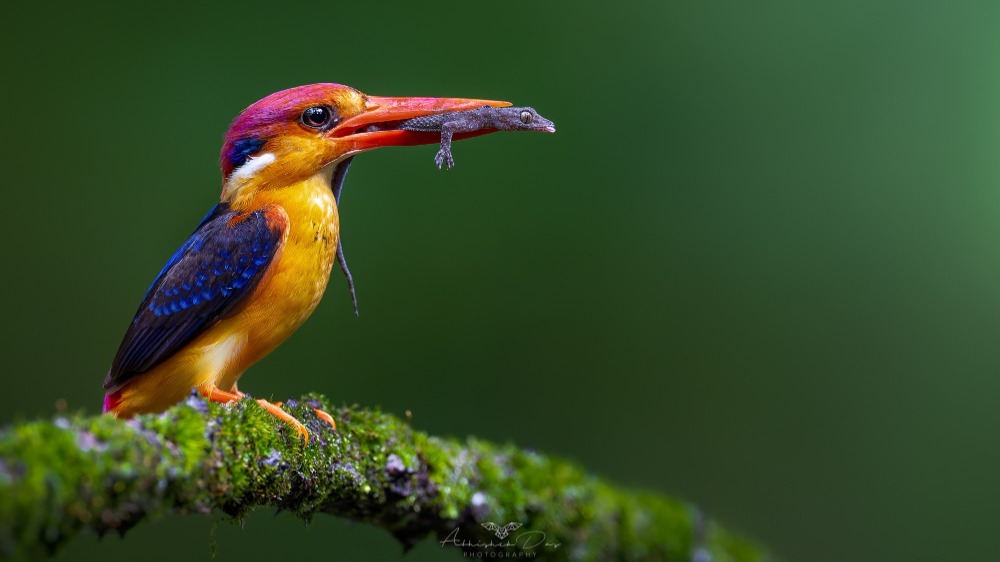
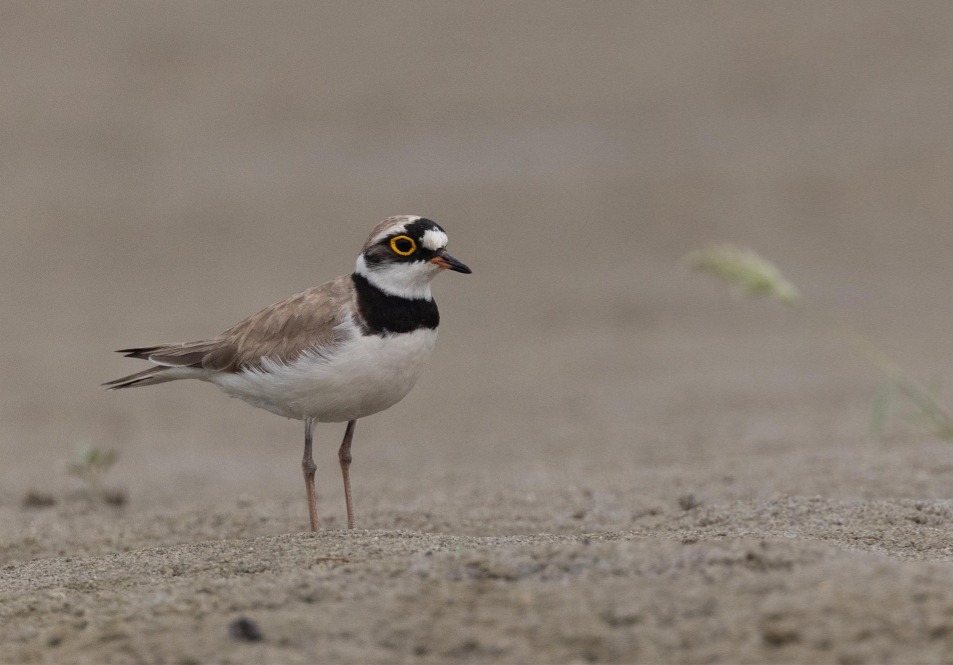
Photo credits: Abhishek Das
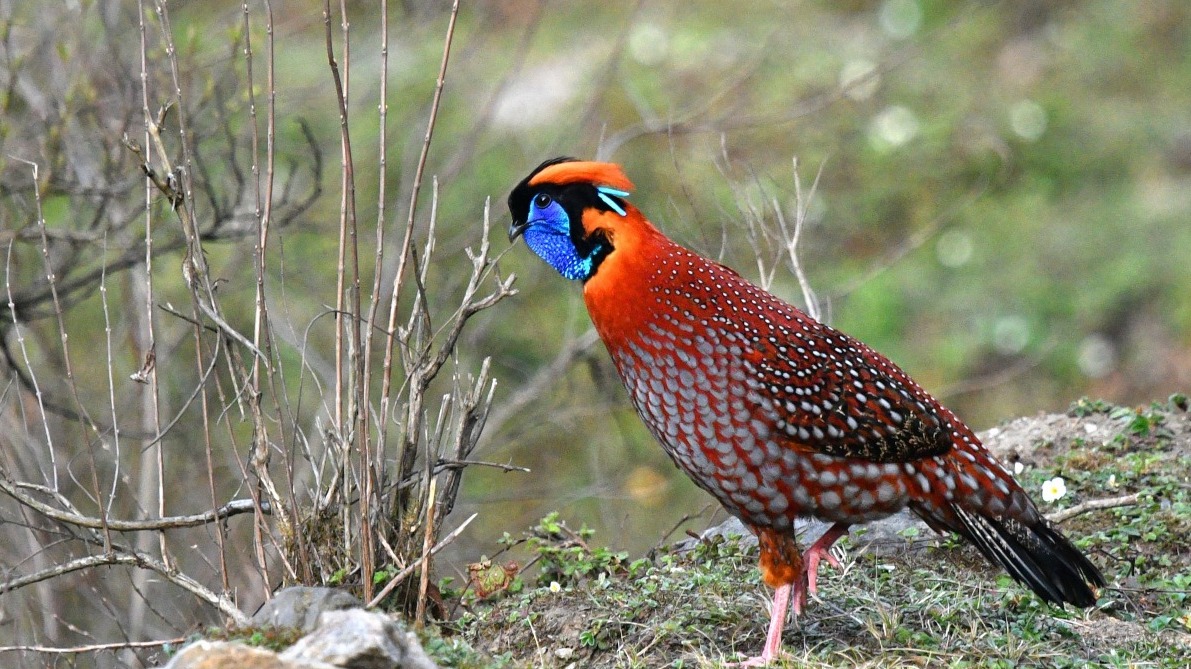
Photo credits: Rofikul Islam
How do birds manage to live almost everywhere on Earth? In this chapter, you’ll uncover the superpowers that make it possible. Discover how feathers keep birds warm, dry, hidden and flight-ready. Learn how wings, lightweight bodies and efficient lungs carry them across mountains and oceans. Be amazed by their sharp eyesight, keen hearing and powerful sense of smell. Watch videos, take quizzes and test your understanding. By the end, you won’t just see birds differently — you’ll understand the remarkable adaptations that help them survive on Earth.
Chapter 2 - Birds Around Us
Where do birds actually live when they’re not in their nests, and how do they find food each day? In this chapter, you’ll explore the various habitats across India that are home to birds — from forests and wetlands to grasslands, mountains and even cities. Understand how a bird’s surroundings determine what it eats, and how its bill is perfectly designed for the job, whether it is catching insects, tearing flesh, sipping nectar, or picking seeds. By looking at a combination of these factors, you’ll discover how birds share space, find food, and survive.
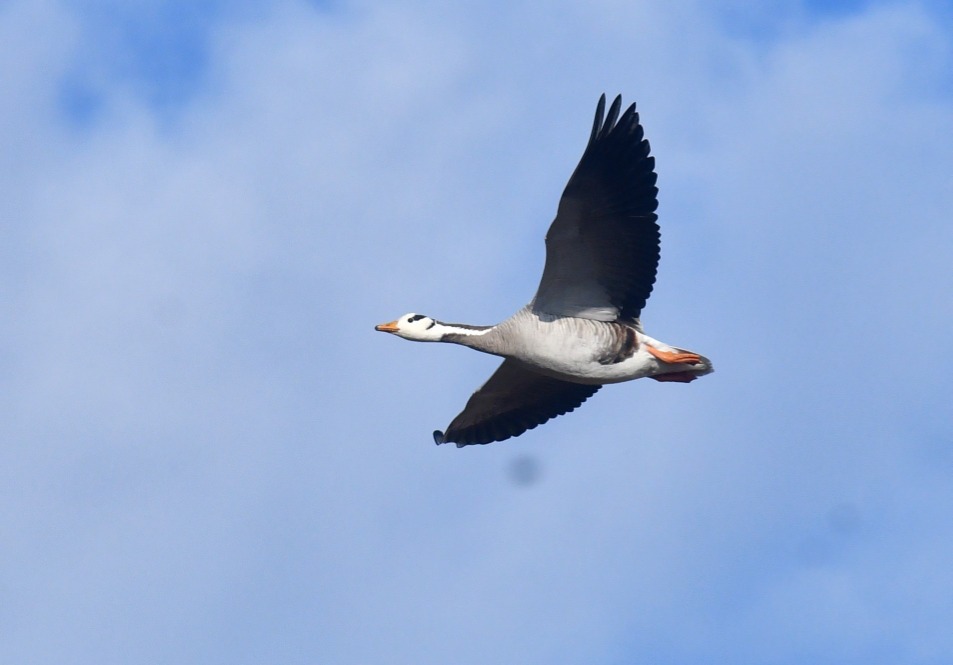
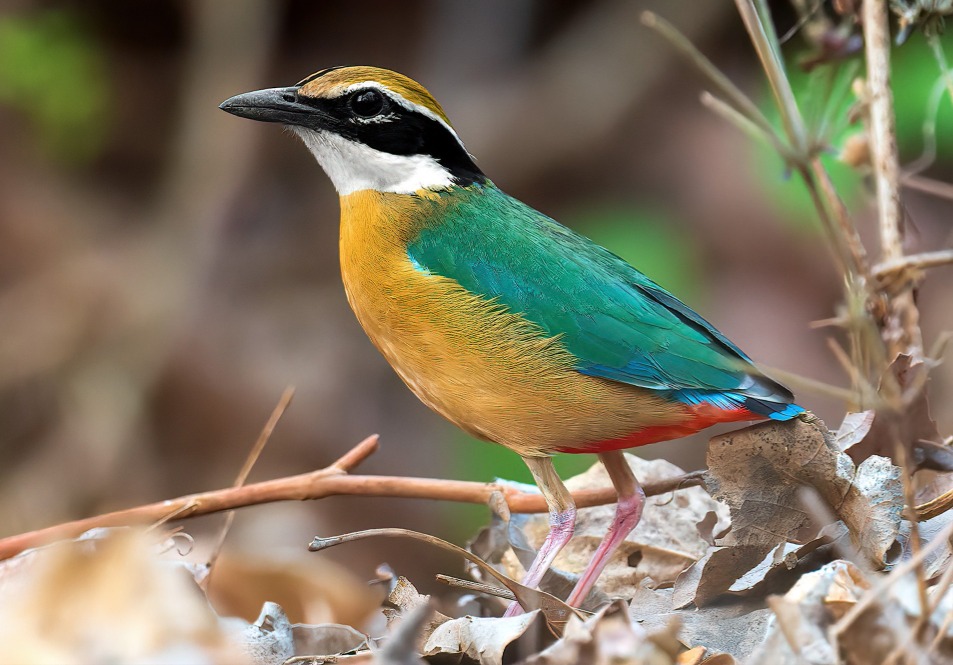
Photo credits: Rofikul Islam
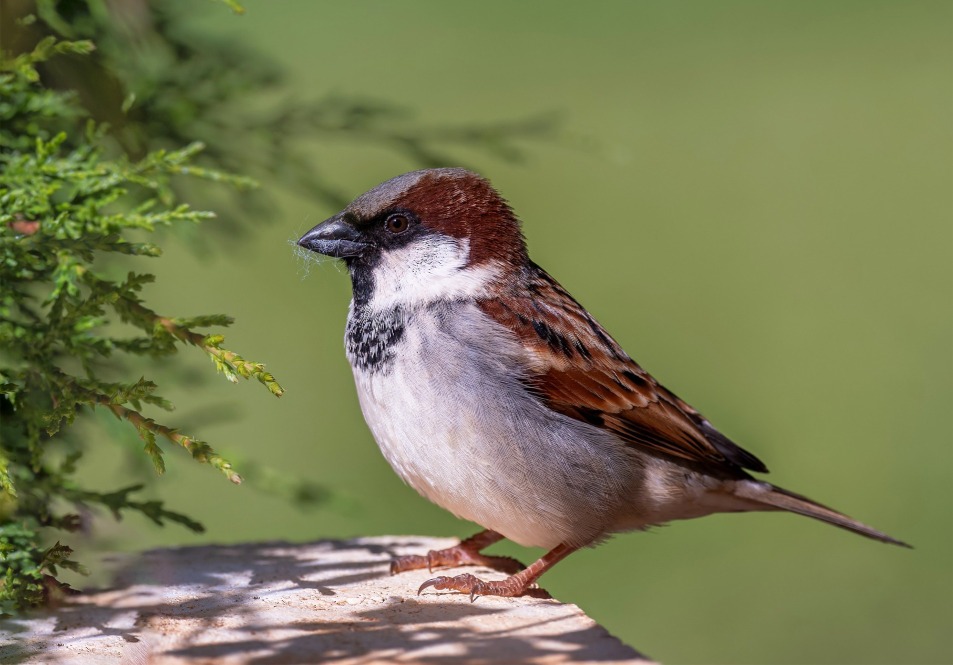
Photo credits: Subhadra Devi
Ever feel like you’re spying on the secret lives of birds? You are — and that’s what makes birding so exciting. In this chapter, you’ll learn to think like a detective, using all your senses to spot clues. Look closely at appearance and behaviour, explore how taxonomy helps us classify birds, and train your ear to recognise their unique calls. The more carefully you observe and listen, the better you’ll get. Ready to sharpen your skills? Watch the videos and try the activities to test your inner bird detective.
Chapter 4 - Tools of The Trade
In this final chapter, you’ll discover the habits, tools and approaches that make birding enjoyable, meaningful and useful to science. Learn to watch birds responsibly, choose the right gear and spot them in everyday spaces. Explore field guides and apps like eBird and Merlin, and see how walks and citizen science projects can deepen your experience. Most importantly, understand the ethics that keep birding respectful and rewarding for all.
Photo credits: Samanvitha Rao
Photo credits: Saswat Mishra
 Launch your Graphy